Why sustainable supply chains start with smarter inventory

When people talk about building a more sustainable supply chain, the focus usually falls on transport, packaging, or sourcing. While those things matter, there’s another area that often gets overlooked: inventory management.
How stock is planned, replenished, and stored directly impacts waste, energy use, and emissions. When decisions are based on real demand data instead of guesswork, businesses can cut waste and build a more efficient supply chain.
Excess inventory’s impact on sustainability
Excess inventory is one of the biggest barriers to environmental supply chain management. Overstocking leads to:
- Obsolete or unsellable products
- Unnecessary use of raw materials and energy
- Waste throughout the value chain
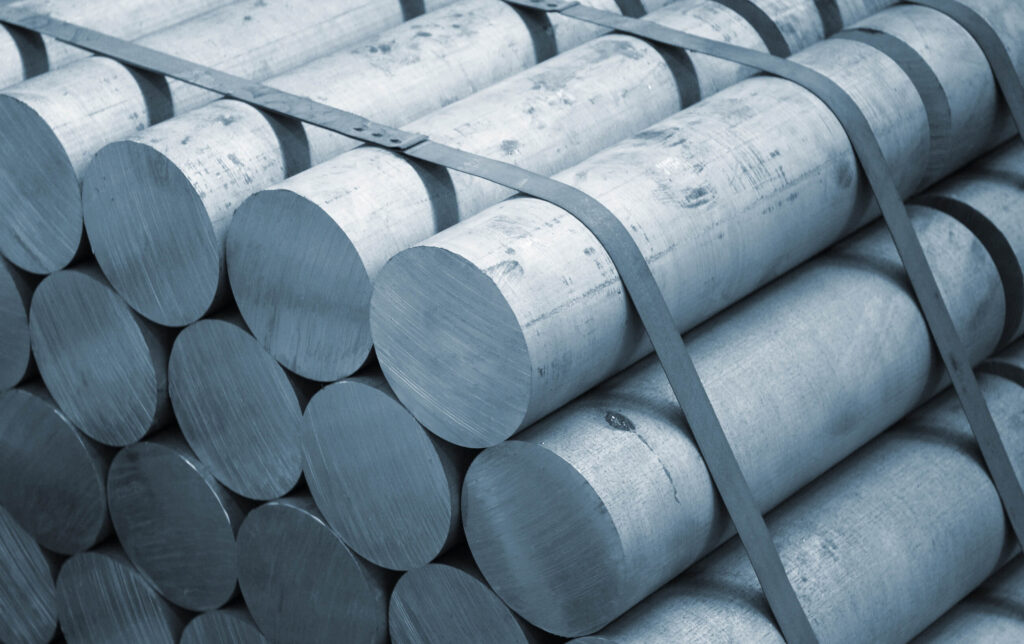
A more sustainable approach is to align stock levels with actual demand instead of relying on broad safety stock levels. When businesses have better visibility into demand patterns and variability, they can reduce excess inventory, cut waste, and still maintain strong service levels.
Importantly, better demand alignment also reduces unnecessary orders placed with suppliers. This helps prevent overproduction upstream, lowering raw material usage, energy consumption, and emissions beyond the business itself.
Less excess stock, less pressure on warehousing and logistics
Warehousing uses a lot of energy. The more stock you hold, the more space, lighting, heating, and cooling you need, whether that stock is needed or not.
By optimizing inventory levels, businesses can:
- Reduce warehouse space requirements
- Lower energy consumption
- Support more efficient sustainability logistics operations
That makes inventory planning one of the most practical ways for businesses to make progress on sustainability. It’s not about holding more stock just in case; it’s about holding the right stock, in the right place, at the right time.
Better planning means fewer rush shipments
Poor planning often causes stockouts, which then lead to:
- Expedited freight
- Fragmented deliveries
- Inefficient transport routes

These reactive actions increase both costs and emissions. Improved inventory planning improves replenishment cycles, enabling companies to consolidate shipments and plan transportation more efficiently.
With better demand visibility and planning, businesses can create steadier purchasing flows. That makes it easier to consolidate shipments, fill containers more efficiently, avoid rush deliveries, and reduce emissions.
Good data leads to better sustainability decisions
For sustainability efforts to be effective, inventory decisions need to be based on accurate data. That includes:
- Accurate lead times, demand variability, and sales data
- Sophisticated demand forecasting
- Consistent fact-based decision-making.
When inventory is managed through structured analytics rather than intuition, it becomes easier to identify and address inefficiencies. This improves resilience and supports both financial and sustainability goals.
Better, structured inventory data also improves traceability and simplifies carbon reporting. This supports sustainability reporting and helps organizations meet growing ESG and regulatory requirements, such as the UK and EU CBAMs.
Effectively, sustainability improves when inventory decisions are consistent, evidence-based, and easy to implement across the business.
Smarter stock positioning cuts waste across the network
Inventory optimization makes it easier to track inventory across multiple warehouses and to position stock across the entire distribution network.
Applying multi-echelon inventory optimization enables companies to:
- Place inventory closer to demand
- Move inventory between warehouses with imbalanced stock and demand levels
- Reduce transport distances and fuel consumption
- Improve fulfillment efficiency
This network-level approach reduces transport-related emissions without compromising high service levels, making it a key enabler of sustainable logistics.
Waste is more than the product

Sustainability in inventory management extends beyond the products themselves. Inefficient planning can also cause unnecessary operational waste, such as:
- Excess packaging due to fragmented shipments
- Repacking and additional handling
- Inefficient picking and distribution processes
- Increased packaging, costs, and fuel consumption due to multiple orders from backorders.
By improving planning accuracy and consolidating shipments, companies can reduce these inefficiencies to lower material usage and operational resource consumption and save money.
Less obsolete stock means less waste
Inventory that sits too long risks becoming outdated, damaged, or unusable. Reducing excess stock reduces this risk through:
- Fewer products written off or discarded
- More efficient use of produced goods
- Lower environmental impact per sold item
By keeping inventory aligned with actual consumption, companies can strengthen value chain sustainability and reduce unnecessary waste at each stage.
Resilient supply chains are more sustainable by design
Resilient supply chains tend to be more sustainable. When inventory planning is strong and data-driven, businesses are less likely to rely on reactive measures.
With more stable and predictable supply chains, businesses can avoid high-environmental-impact, last-minute decisions, supporting both day-to-day continuity and longer-term sustainability goals.
Smarter inventory plays a big role in greener supply chains
Greener supply chains are built through better decisions at every stage, not one-off initiatives. Inventory plays a big part in that. When organizations reduce excess inventory, plan replenishment proactively and rely on data-driven models, they build more sustainable supply chain practices that benefit operations and the environment.
How EazyStock helps turn sustainability into action
As sustainable supply chains are built on better day-to-day decisions, inventory is a strong starting point. The right tools can give teams better visibility into where stock is out of balance, improve demand forecast accuracy, and support more accurate planning.
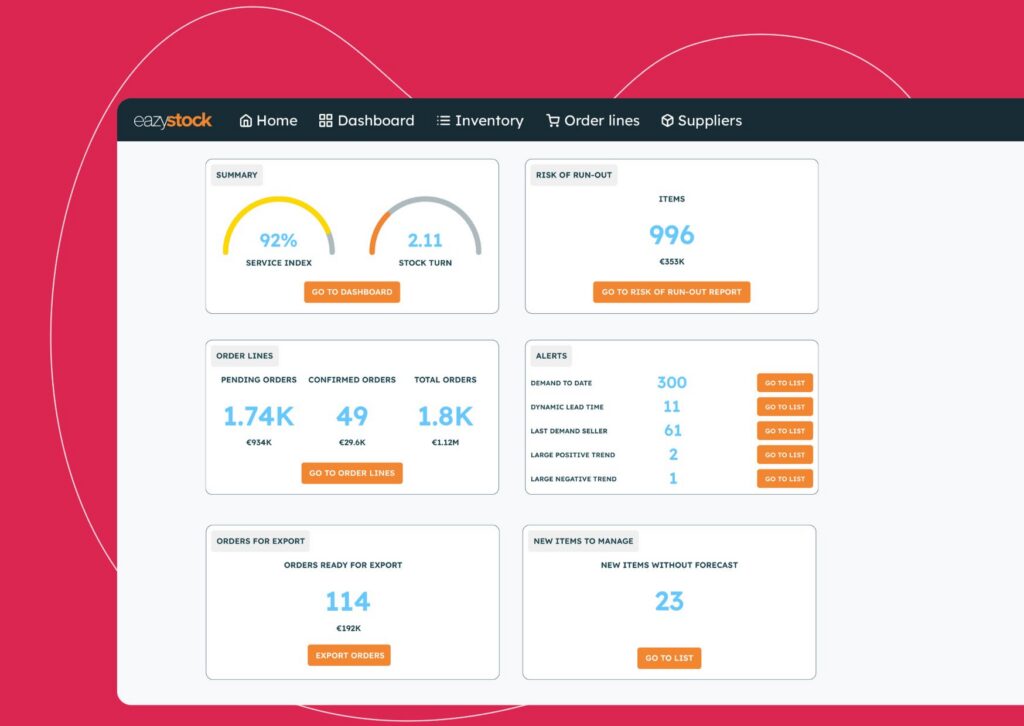
That’s where EazyStock can play a useful role. By helping businesses optimize stock levels, reduce avoidable waste, improve availability, and plan replenishment more effectively, it can support the practical changes that make supply chains more efficient and sustainable over time.
EazyStock’s advanced forecasting algorithms improve forecast accuracy, ensuring replenishment matches demand. Rather than adding more stock “just in case,” the aim is to make smarter decisions about what to hold, where to hold it, and when to replenish it. That can lead to fewer write-offs and emergency shipments, and less wasted space, energy, and effort across the supply chain.
Classifying products and multi-echelon planning help purchasing teams focus on the most important products to maintain availability and deliver high service levels.
So, while many parts of the supply chain shape sustainability, better inventory management can have a surprisingly wide impact. With the right support in place, it becomes much easier to turn sustainability goals into everyday operational improvements.