Impact of Supply Chain Disruption Explained

As globalization extends supply chains around the world, the likelihood of negative impacts stemming from supply chain disruption increases. Supply chain disruptions are an inevitability for any supply chain, though the severity of the impacts can vary. In this piece, we’ll take a look at some of the top types of supply chain disruptions, the impacts that they have on your supply chain, how to mitigate whatever risk you can and finally how you can handle supply chain disruptions once they occur and come out on top.
Types of supply chain disruptions
Supply chain disruptions can happen for many reasons. Sometimes might be out of your control; others may be preventable.
Holidays
Holiday seasons can often affect supply, bringing manufacturing and distribution to a standstill. Companies sourcing goods from China experience this every year during Chinese New Year. Chinese New Year marks a two-to-four-week production shutdown as workers travel home for the festivities. Some European countries, such as Italy, also shut down for extended periods over the summer.

Black swan events
A black swan event is an unexpected event with severe and far-reaching consequences. Pandemics, wars, and sudden closures of major shipping routes can disrupt production, transport capacity, and demand simultaneously. As these events are difficult to predict, businesses need plans to assess exposure, protect critical stock and adapt quickly. For a detailed example of route disruption and its operational impact, read our guide to Overcoming Red Sea supply chain disruption.
Natural disasters and extreme weather
Natural disasters such as earthquakes, hurricanes, wildfires and floods can have far-reaching effects down the supply chain. Even localized events can delay or cancel deliveries, close ports and drastically unbalance supply and demand.
Transportation and delivery failures
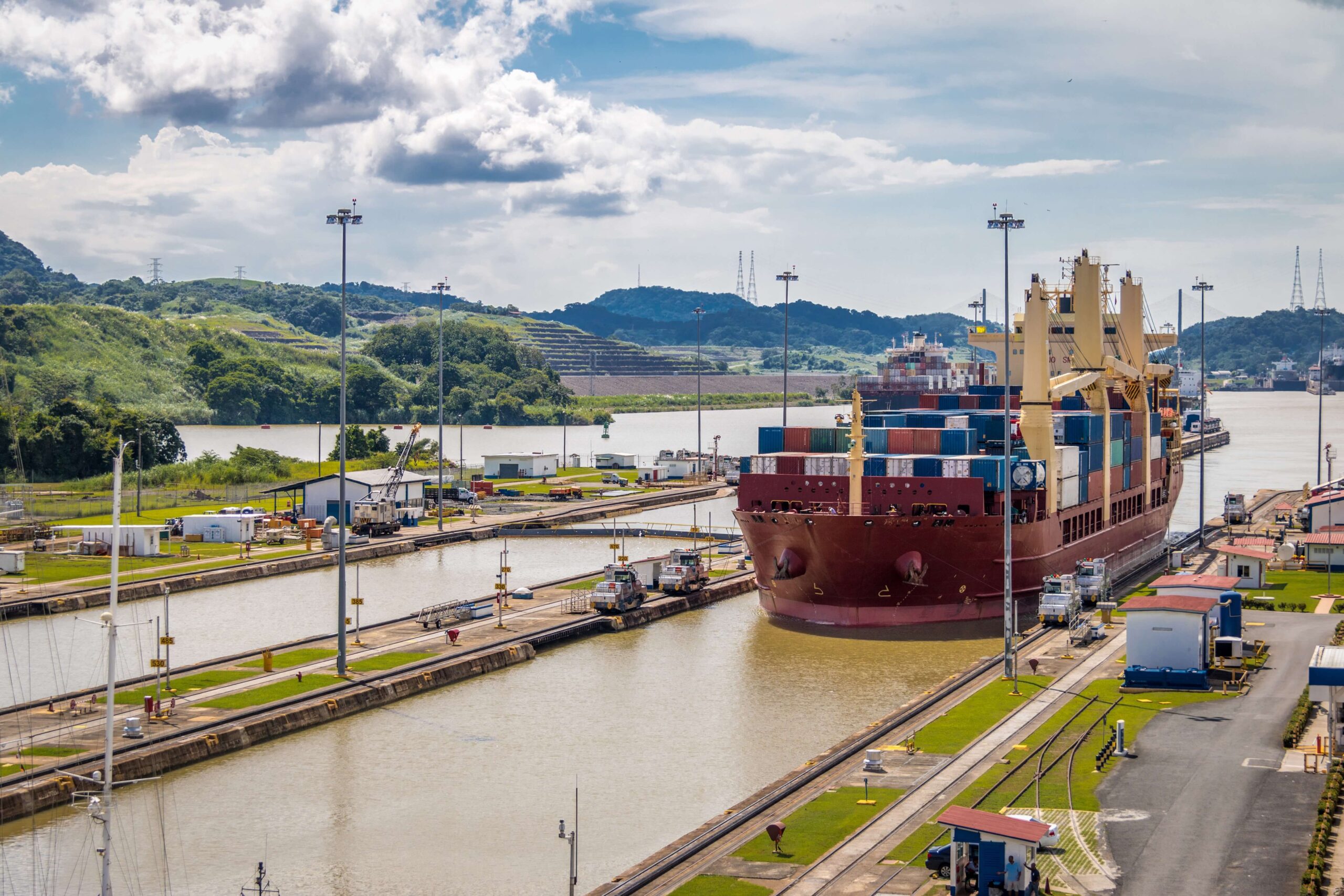
Transportation and delivery failures can be caused by port congestion, route closures, industrial action, cargo theft or damage, capacity shortages, or changing customs requirements. Disruptions on a major trade lane can force carriers to reroute shipments, extending lead times and reducing vessel and container availability. Rather than duplicating event-specific analysis, assess which routes, ports and transport modes your critical items depend on, then build alternatives into your contingency plan.
At the other end of the supply chain, last-mile logistics brings challenges. People expect quick deliveries, both personally and professionally, and last-mile logistics is the most expensive and time-consuming part of shipping. The typical lack of transparency into this final stage makes it a prime source of disruptions and cancellations.
Cyber attacks
Supply chain management has entered the realm of digitalization, receiving all the benefits and challenges that come with it. Cyber attacks on supply chains include anything from holding systems hostage to data breaches that compromise individuals’ information. There have been high-profile data breaches in recent years, such as the Target data breach that affected 41 million consumers and their payment cards.
Impacts from disruptions
The main objective of any supply chain management team, particularly the inventory management team, is to ensure the right stock levels are available to meet upcoming demand. Unfortunately, supply chain disruptions upset this equilibrium. When supply and demand are unbalanced, operational costs rise, and pricing is affected.
Let’s take a deeper look at these challenges.
Changes in supply
Supply changes typically manifest as a shortage for myriad reasons. It could be something as simple as a limited release. Usually, however, supply shortages stem from supply chain disruptions such as natural disasters or extreme weather impeding the creation or movement of goods, holidays pausing the creation or distribution of goods, transportation failures resulting in missing or delayed goods, even quality management checks can result in a shortage for goods that don’t pass muster.
Regardless of the cause of the supply chain disruption, the result will be the same. Your inventory will be affected, making it extremely difficult to meet your fulfillment targets. If you’re a seller, this can cause stockouts, while manufacturers could face production stoppages, both of which can lead to unhappy customers.
Changes in demand
In contrast, fluctuating demand can also be problematic, especially when it is unplanned. If demand surges beyond your forecasts, this can lead to stock shortages unless you have plans in place to mitigate the risk, such as safety stock. When demand drops unexpectedly, you could end up with stock piling up in the warehouse, leading to expensive excess and potentially obsolete or dead stock.
Price changes/fluctuations
Supply and demand have always impacted price sensitivity: when demand is high or supply is limited, prices rise. When demand is low or there’s excess supply, prices fall. These rules apply throughout the supply chain, from raw materials to transportation and the final price of goods. So, when either is disrupted, price fluctuations are almost inevitable.
When carriers divert around a blocked or high-risk route, fuel use, vessel time and insurance costs increase. Capacity can also tighten as ships and containers remain in transit for longer. These additional costs may appear as higher freight rates, war-risk premiums or temporary surcharges, so you need to model their impact on landed costs and margins.
Mitigate risk of supply chain disruption
As supplier networks become more interconnected, it’s a question of when the next disruption will occur, not if. Use our framework, which incorporates the six actions below, to help prepare for an incident, respond when it happens, and strengthen the supply chain afterwards. Use this checklist alongside our Overcoming Red Sea supply chain disruption blog for a comprehensive approach to supply chain disruption.
1. Have an emergency backup plan
Every business should have a contingency plan to activate when supply chain disruption is imminent.
Define clear triggers, such as:
- route closures
- material increases in supplier lead time, or
- freight costs exceeding an agreed threshold.
The plan should set out how you will protect top priorities, which may include:
- hitting fulfillment KPIs
- serving your most important customers
- securing critical items or
maintaining steady cash flow.
2. Evaluate the current supply chain situation
Even with a contingency plan, when a supply chain disruption occurs, stop and review the disruption’s potential impact before acting. This needs total transparency across your supply chain.

These three broad questions will help you plug any gaps:
- How has the disruption specifically impacted your supply chain?
- What will it take for your supply chain to recover?
- How can you keep operations running smoothly in the interim?
Review:
- affected suppliers and routes
- revised lead times, freight and insurance costs
- upcoming demand
- available stock and
- outstanding orders.
If available stock isn’t sufficient to meet upcoming demand and outstanding orders, consider how you can improve the situation. For example, prioritize the items and customers most at risk.
3. Communication is key
Open, clear communication with suppliers and customers is important to ensure that everyone understands the extent of the disruption, the next steps and how operations are being managed in the meantime.
- Be transparent with customers.
- Make sure they know their expectations of you, such as delayed or partial shipments, limited availability, price changes, etc.
- Be clear about any challenges you face to help manage their expectations and build trust.
4. Minimize the number of supplier tiers
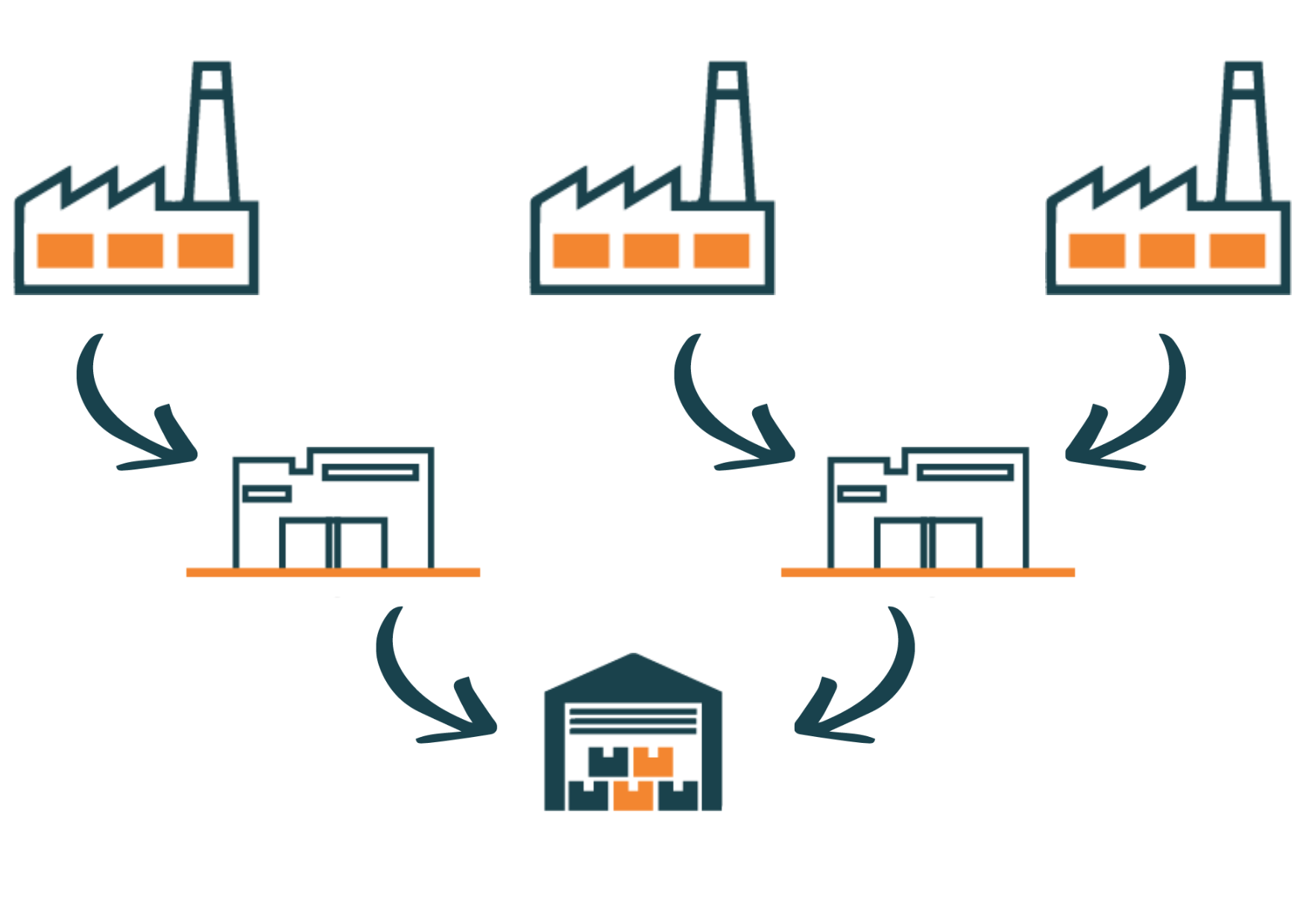
Do you know how far your supply chain stretches? Your tier 1 suppliers are those who supply directly to you. Your tier 2 suppliers are those who supply directly to your tier 1 suppliers. Tier 3 supplies to your tier 2, and so on. The longer your supply chain stretches (i.e. the more tiers you have) the greater your risk of supply chain disruption. What happens when your tier 2 suppliers can’t fulfill the demand from your tier 1 suppliers? Minimizing the number of tiers could go a long way.
The longer and less visible your supply chain is, the more points of failure it may have.
- Map which tier supports your critical items
- Identify dependencies on individual suppliers, regions, ports and transport routes
- Remove unnecessary complexity where practical.
- Consider nearshoring or grouping suppliers closer to key markets to reduce logistical exposure and shorten lead times
- Balance decisions against cost, capacity and concentration risk.
This is not an easy or quick fix, however, as it takes time to research alternative partners, negotiate terms and set up new ways of working.
5. Diversify suppliers
Supplier diversification can improve continuity and negotiating power, but assess each alternative for capacity, lead time, quality, cost and regulatory requirements before disruption occurs.
- Reduce dependence on a single supplier, country, port or transport route.
- Where practical, qualify alternative suppliers across different regions and agree back-up routes or transport modes for critical items.
6. Invest in tech
Technology can reduce both operational and cyber risk. We explore data security in our blog: Supply chain cyber security: 3 Pillars to secure data within your organisation.

Secure, integrated systems help protect supply chain data while providing early warnings of demand changes, delayed orders, extended lead times, and supplier problems. Alerts and scenario planning make it easier to assess a disruption’s impact and act before it becomes a stockout, production stoppage, or costly excess-stock problem.
Technology also provides the visibility and control you need to manage your supply chain. When supply chain challenges arise, software such as enterprise resource planning (ERP), warehouse management systems (WMS) and inventory optimization software empower teams to make data-led decisions.
How can an inventory optimization tool help?
When supply and demand are erratic, effective inventory management becomes extremely difficult. Inventory optimisation software can reduce supply chain risk in several ways. For example, an inventory optimization tool can:
- Monitor demand trends and automatically adjust reordering needs in response to sudden changes in demand.
- Track forecasting accuracy and create alerts when actual demand deviates from the forecast, to help prevent over- and under-ordering.
- Compare stock forecasts with current stock levels and supplier lead times to generate alerts for potential stockouts.
- Identify critical stock items such as those needed to keep production or sales flowing, so ordering can be prioritized.
- Create alerts when actual supplier lead times deviate from the norm and automatically adjust future reordering requirements to cover demand during the extended lead time.
- Recommend the best suppliers to fulfill an order based on current lead times, unit prices and any ordering constraints, such as minimum order quantities or minimum order values.
- Create order calendars based on internal ordering and receiving capabilities. Then automatically recalculate reorder quantities and safety stock levels to prevent these issues from impacting stock availability.
- Create supplier calendars that cover periods of planned supplier shutdowns, and dynamically adjust recommended order levels to ensure adequate stock levels while supply is paused.
- Identify excess and obsolete stock that you could discount to recoup capital and free warehouse space for more profitable items.
Building a more resilient supply chain
Supply chain disruptions are inevitable, but a swift, informed response can mitigate their impact. Businesses with clear contingency plans, supply chain visibility, adaptable inventory policies and reliable technology are better placed to protect service levels and recover quickly.
If you’re interested in learning more about how an inventory optimization solution can help you overcome the impact from supply chain disruptions, as well as support day-to-day supply chain management, don’t hesitate to reach out at +1 (844) 416-5000 or schedule a demo.
Originally published on 17 March 2021, updated on 27 October 2026